
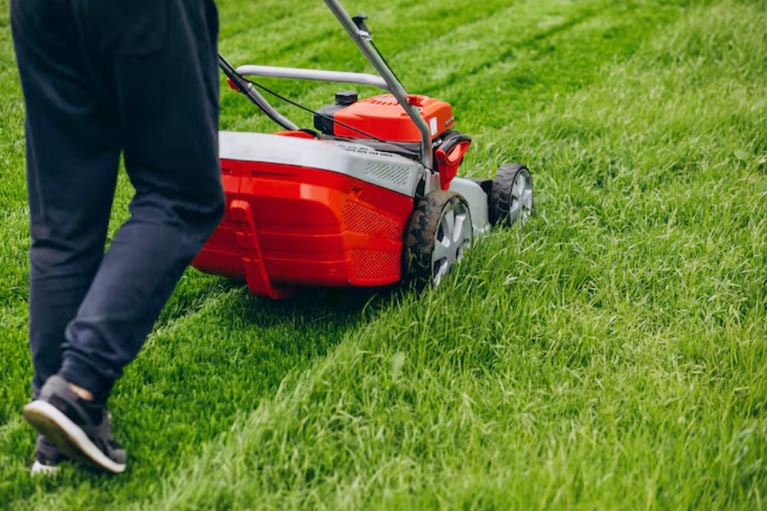
Maintaining a healthy lawn in Alabama comes with its own set of challenges. While the state’s warm temperatures and long growing season help grass thrive, they also create ideal conditions for weeds, pests, and lawn diseases. Add frequent summer heat, humidity, and periods of heavy rainfall, and keeping your lawn in top shape can require more than routine mowing and watering.
The good news is that warm-season grasses can perform exceptionally well when cared for properly. Understanding how Alabama’s climate affects lawn growth can help you make smarter maintenance decisions throughout the year.
Continue reading to learn more about the five lawn care tips that work especially well in Alabama’s warm climate and can help you maintain a healthier, greener lawn.
1. Choose a Lawn Care Program Designed for Local Conditions

The climate in Alabama is somewhat different from place to place, but warm temperatures, humidity, and the long growing seasons all affect the health of lawns in Alabama. This impacts fertilization timing, weed management, soil conditions, and annual grass performance.s
Alexander City is an example of a place where warm-season grasses have been successful but are susceptible to weeds, insects, and seasonal conditions. When people look for lawn care Alexander City, they are often told that soil testing, fertilization, weed control, and tailored treatment plans are essential, as local conditions demand a personalized strategy.
Often, professional lawn programs in Alabama focus on soil analysis, lawn fertilization throughout the year, and treatments tailored to the type of lawn. Once you are familiar with your local growing conditions, you can select the most appropriate maintenance practices for better long-term results.
2. Fertilize Warm-Season Grasses at the Right Time
Bermuda, Zoysia, Centipede, and St. Augustine grasses are the primary warm-season grasses used in Alabama landscapes. Timing for fertilizer applications is important because these grasses grow most actively during the late spring and summer.
Early application may promote poor growth before the lawn becomes active. However, late application can result in lower efficiencies and nutrient losses. A better strategy is to fertilize when the grass is green and actively growing.
For that reason, many lawn care professionals suggest that you get a soil test before fertilizing. A soil test can tell you if your grass requires a nitrogen boost, potash, phosphorus, or pH adjustment. Tailoring nutrient management may yield superior results compared to using generic nutrient mixtures.
3. Water Deeply Instead of Watering Frequently

Despite the hot, humid conditions of Alabama summers, many lawns experience drought stress due to poor watering practices. Regular shallow watering keeps roots shallow in the soil. These shallow roots dry rapidly, increasing turf stress as temperatures increase.
Deep Watering promotes deep rooting, which makes grass drier and hardier. A well-established warm-season lawn needs approximately 1 inch of water per week, including rainfall. Irrigation is most effective in the early morning when evaporation is less, and grass blades will dry before evening.
This can also reduce the likelihood of fungal diseases, which can be a problem in humid environments. Rainfall monitoring is critical in Alabama, where variable weather can bring in sufficient moisture for the week.
4. Control Weeds Before They Take Over
Weeds compete with turfgrass for water, nutrients, sunlight, and space. In Alabama’s warm climate, weeds can establish quickly and spread aggressively if left untreated. A proactive weed management strategy often works better than waiting until weeds become visible across the lawn.
Pre-emergent weed control applications can help prevent many annual weeds from germinating. Meanwhile, targeted post-emergent treatments address weeds that have already emerged.
Healthy turf remains one of the best natural defenses against weed infestations. Thick grass leaves fewer open spaces for weed seeds to establish. Proper mowing, fertilization, and irrigation all contribute to stronger turf density.
Many lawn care programs combine seasonal fertilization with weed control because both practices work together to create healthier growing conditions. Weed management is most effective when integrated into a broader lawn maintenance plan rather than treated as a standalone task.
5. Mow Properly to Reduce Stress and Disease Pressure

Mowing may seem simple, but improper mowing practices often contribute to lawn problems. Cutting grass too short weakens turf and exposes soil to excessive sunlight. This can encourage weed growth and increase moisture loss. Following the recommended mowing height for your specific grass type helps maintain healthy growth and stronger roots.
Sharp mower blades are equally important. Dull blades tear grass rather than cutting it cleanly, leaving jagged edges that increase stress and create entry points for disease. Maintaining equipment and following the one-third mowing rule—never removing more than one-third of the grass blade at one time—helps preserve lawn health.
When combined with appropriate watering and fertilization, proper mowing practices help create a thicker lawn that better withstands Alabama’s challenging climate.
Final Thoughts
A healthy Alabama lawn requires more than routine mowing and occasional watering. The state’s warm climate creates ideal conditions for grass growth, but it also increases pressure from weeds, pests, and environmental stress.
By choosing lawn care practices suited to local conditions, fertilizing strategically, watering deeply, controlling weeds proactively, and mowing correctly, you can build a stronger lawn. Each of these steps supports the others, creating a practical approach to turf management.
Rather than reacting to problems after they appear, focus on consistent seasonal care. Over time, these proven strategies can help you maintain a greener, healthier lawn that performs well throughout Alabama’s long growing season.





+ There are no comments
Add yours