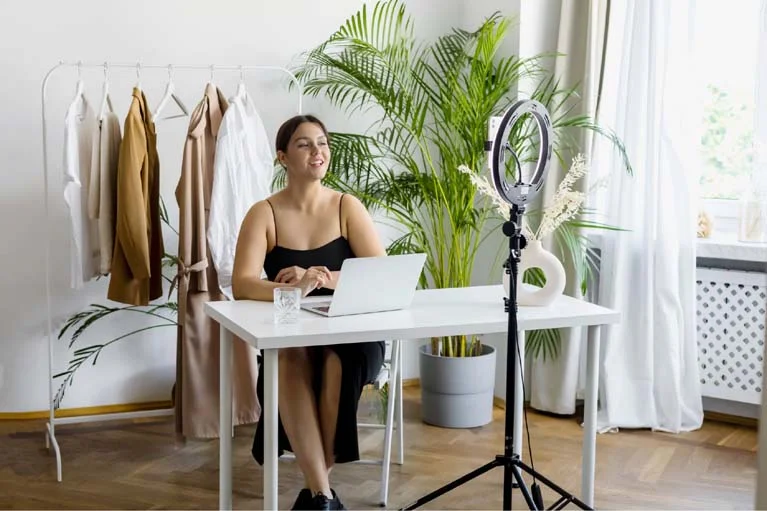
The career of a top influencer today looks more like a CEO’s than a hobbyist’s. What starts with a camera and a clever idea quickly turns into managing a full-fledged brand, complete with staff, physical assets like studios, and a public profile that needs careful protection. As the digital and physical worlds of creators blend, the ways they manage everything have become incredibly sophisticated. It’s now much more than just scheduling posts and replying to comments.
The Blurring Lines of Celebrity Life
Not long ago, there was a clear line between a traditional celebrity and an internet personality. Today, that line has practically disappeared. Top influencers now attend the Met Gala, launch product lines sold in major stores, and reach audiences that rival TV networks. This rise in status brings celebrity-level opportunities, but also celebrity-level problems. The constant sharing that builds a real connection with an audience also creates vulnerabilities. As experts note, there are blurring lines between celebrities and creators, meaning influencers now need the security and privacy measures once only for Hollywood A-listers. Their homes, families, and daily routines are often public knowledge, demanding a new level of awareness about personal safety.
Protecting Personal Brands and Assets
For an influencer, their personal brand is their most valuable asset. A hacked account, a damaging leak of private information, or a doxxing incident can be devastating to their career. The first defense is strong digital security. This means more than just strong passwords; it includes multi-factor authentication on all accounts, using encrypted communication, and staying alert for phishing scams. It also involves being careful about what information gets shared. For instance, geotags on photos can reveal a home address, while seemingly innocent background details in a video can give away sensitive information. A comprehensive guide to data protection is essential reading for any creator looking to secure their digital footprint. Protecting the brand means protecting the person behind it from online threats that can easily spill into the real world.
Beyond Passwords: Physical Security for Public Figures
While digital threats are a major concern, physical security is just as important. When your address might be searchable online, or you run a studio, managing who has access becomes a big deal. Traditional locks and keys are inefficient and insecure for a busy operation. What happens when a team member leaves, or a contractor finishes their project? Rekeying locks is expensive and impractical. This is where modern security technology offers a better solution. A professional access control solution lets a creator manage entry to their home, office, or studio digitally. They can manage access rights, monitor activity, and use web or mobile interfaces to manage doors remotely. It’s a level of control that can match the complexity of their business.
Streamlining Operations for Busy Creators
A successful influencer is rarely a one-person show. Behind the scenes, there’s often a team of editors, a manager, a publicist, photographers, and assistants. This team needs access to different things at different times. The video editor might need 24/7 access to the studio, while a personal assistant may need access to the home office during business hours. A freelance photographer might only need entry for a single-day shoot. Juggling keys and alarm codes for this many people is a logistical nightmare. Making these operational workflows smoother is key to efficiency. By centralizing how physical spaces are managed, creators can focus on what they do best: making content.
Automating Access for Teams and Visitors
The solution to this logistical challenge is automation. Modern access systems allow for detailed control that is both secure and convenient. Instead of a physical key, a team member can get a digital credential on their smartphone. This credential can be programmed with specific permissions:
- Role-Based Access: An editor might only get access to the studio and editing suite, while a house manager has access to the main residence.
- Time-Based Access: A cleaning service’s credential could be set to work only on Tuesdays between 10 a.m. and 1 p.m.
- Temporary Access: For a delivery or a one-time contractor, you can issue a temporary code that expires after a few hours.
This level of automation not only boosts security but also frees the creator from being the constant gatekeeper. It lets the business run smoothly and professionally, giving team members the access they need to do their jobs without compromising the influencer’s privacy and safety.
For the modern creator, building a successful career means being the CEO of your own brand, which requires personal brand credibility. Integrating smart digital and physical security isn’t just about protection; it’s a fundamental part of building a sustainable and scalable business.




+ There are no comments
Add yours